
Introduction
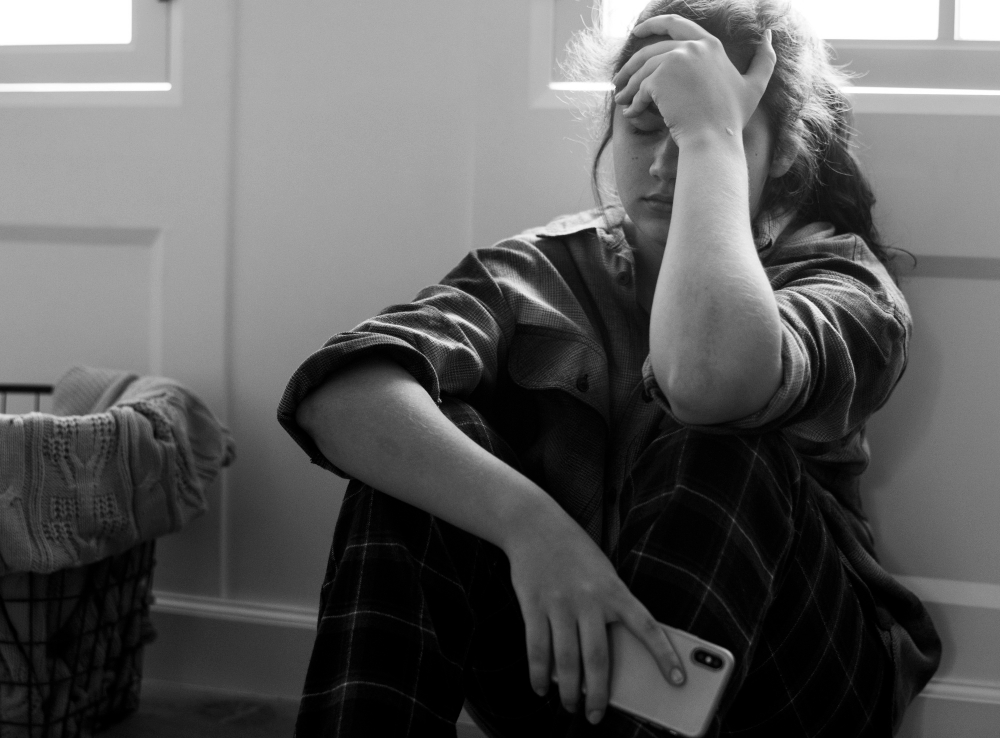
Many people think depression always looks sad or withdrawn. However, hidden signs of depression can be hard to spot. Some people smile and act cheerful, but inside, they feel deep pain. This is called concealed depression. It is also known as atypical depression. Because of this, mental health awareness is very important. Early recognition can help save lives. In this blog, you will learn about concealed depression, why people hide it, and how to spot the warning signs. You will also find tips on support and prevention.
What Is Concealed Depression?
Concealed depression means someone hides their true feelings. They may act happy or normal in public. Yet, inside, they struggle with sadness or hopelessness. This type of depression is sometimes called “smiling depression.” According to the World Health Organization (WHO), depression affects over 280 million people worldwide. Many of them hide their symptoms. Because of this, it is important to know that depression does not always look the same.
Why Do People Hide Depression?
People hide depression for many reasons. Sometimes, they fear judgment or stigma. Others do not want to worry their family or friends. In some cases, they may not realize they are depressed. For example, they might think their feelings are just stress or tiredness. Additionally, some people feel pressure to appear strong or successful. As a result, they put on a happy face, even when they are struggling inside.
Hidden Signs of Depression
Not all signs of depression are obvious. In fact, many people with concealed depression show subtle symptoms. Here are some hidden signs to watch for:
Because these signs can be subtle, it is easy to miss them. However, noticing these changes can help you support someone in need.
How to Recognize Depression in Loved Ones
Sometimes, people with depression hide their feelings well. Even so, you may notice small changes. For example, they might cancel plans more often. Or, they may seem less interested in things they once loved. Additionally, they may make negative comments about themselves. If you notice these signs, try to reach out. Gently ask how they are feeling. Listen without judgment. Let them know you care and are there for them.
When to Seek Help
It is important to seek help if you or someone you know shows signs of depression. Early support can make a big difference. You should contact a mental health specialist if you notice:
Many cities offer depression support and counseling services. For example, you can find depression support in your local area or online. The Centers for Disease Control and Prevention (CDC) and WHO also provide helpful resources.
Prevention and Support Strategies
While depression can affect anyone, there are ways to lower the risk. Here are some helpful strategies:
Additionally, supporting loved ones can make a big difference. Encourage open conversations about mental health. Offer to help them find resources or attend appointments. Remember, small acts of kindness can have a big impact.
Conclusion
In summary, hidden signs of depression are often missed. However, with greater mental health awareness, you can help yourself or others. If you or someone you know is struggling, consult Dr. Najeeb for personalized guidance.