
What Is Insomnia?
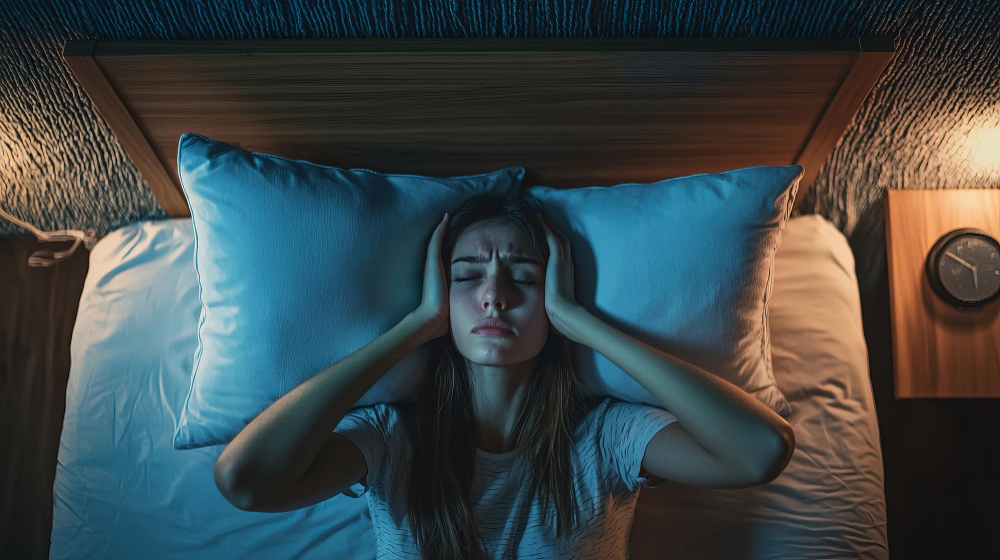
Insomnia means trouble falling asleep or staying asleep. Many people think of it as a problem by itself. However, insomnia as a symptom can point to other health issues. For example, you may have trouble sleeping because of stress, pain, or another medical condition. According to the CDC, about one in three adults does not get enough sleep. Still, not all sleep problems are the same.
How Insomnia Can Be a Symptom
Sometimes, insomnia is not the main problem. Instead, it can be a sign of something else. For instance, if you start having sleep trouble after a big life change, it may be linked to stress. In other cases, insomnia shows up because of an illness or a mental health concern. This is called secondary insomnia. Unlike primary insomnia, which has no clear cause, secondary insomnia happens because of another issue.
Common Underlying Causes of Insomnia
There are many reasons why someone might have insomnia as a symptom. Some common underlying causes of insomnia include:
Because these causes are common, it is important to look for other signs that may help explain your insomnia.
Recognizing When Insomnia Signals Another Health Issue
It is not always easy to tell when insomnia is a symptom. Still, some clues can help. For example, if your sleep problems started after a new health issue, they may be linked. Also, if you have other symptoms like pain, sadness, or trouble breathing, your insomnia could be secondary. When sleep trouble does not get better with simple changes, it may be time to look for another cause.
Diagnosis: How Doctors Identify the Root Cause
Doctors use several steps to find out why you have insomnia as a symptom. First, they ask about your sleep habits and health history. Next, they may check for signs of other illnesses. Sometimes, doctors use sleep diaries or special tests to learn more. For example, a sleep study can show if you have sleep apnea. Blood tests may help spot thyroid or hormone problems. By finding the root cause, doctors can choose the best treatment.
Treatment Approaches When Insomnia Is a Symptom
Treating secondary insomnia means focusing on the underlying problem. For instance, if pain keeps you awake, pain relief may help. If depression or anxiety is the cause, therapy or medication may improve your sleep. Doctors may also suggest:
Often, treating the main health issue helps improve sleep over time.
Lifestyle Tips for Managing Insomnia Linked to Other Conditions
Even when insomnia is a symptom, healthy habits can help. For example, you can try these tips:
Because these changes are simple, they can support other treatments and help you sleep better.
Prevention: Reducing Risk of Secondary Insomnia
While you cannot always prevent insomnia as a symptom, some steps may lower your risk. For instance, managing stress and treating health problems early can help. You can also:
By taking care of your overall health, you may reduce the chance of developing secondary insomnia.
Conclusion
If you are struggling with sleep or think your insomnia may be linked to another health issue, Dr. Najeeb Najeb is here to help. Book a consultation today to discuss your symptoms and find the right support.